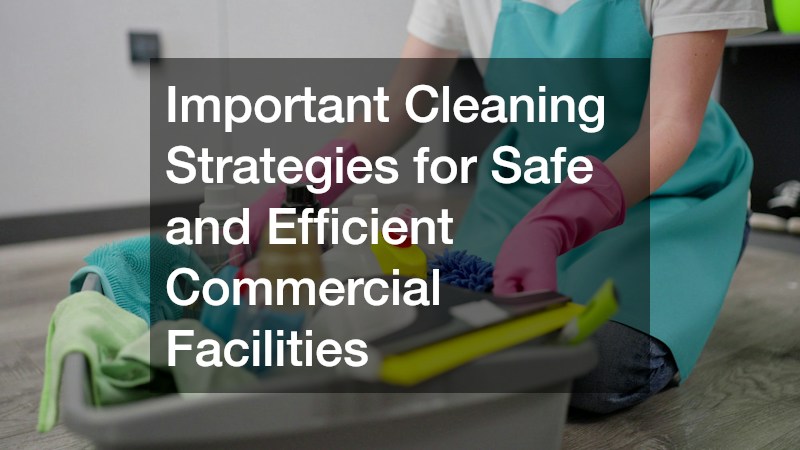
Maintaining a clean commercial facility involves more than keeping floors spotless and workspaces organized. Businesses must address a variety of cleaning and maintenance needs to protect employees, customers, visitors, and property. Depending on the facility, these responsibilities may include kitchen sanitation, plumbing maintenance, wastewater management, vehicle cleaning, and specialized contamination control. Without consistent procedures, neglected cleaning tasks can contribute to safety concerns, equipment problems, and unnecessary operational disruptions.
An effective cleaning strategy starts with understanding the property’s specific requirements and establishing clear responsibilities. Facility managers should coordinate routine janitorial work with specialized services, provide employees with appropriate supplies, and schedule preventive maintenance. They should also review cleaning procedures regularly to identify gaps and address changing needs. By taking a structured approach, businesses can maintain healthier environments, support daily operations, and make better use of their maintenance resources.
Establish Effective Cleaning Procedures for Commercial Kitchen Exhaust Systems
Commercial kitchens generate grease and airborne particles that accumulate throughout exhaust systems. Over time, buildup can affect ventilation performance and create significant fire hazards. Cleaning should address the entire system rather than focusing exclusively on visible hood surfaces.
A commercial kitchen hood cleaning service can help businesses remove accumulated grease from hoods, filters, ductwork, and exhaust fans. When selecting a provider, managers should consider experience with commercial equipment, cleaning methods, scheduling flexibility, and service documentation.
Businesses can also improve maintenance consistency by:
- Establishing cleaning schedules based on cooking volume and equipment use.
- Checking accessible filters regularly for excessive grease accumulation.
- Keeping records of professional cleaning appointments.
- Reporting unusual odors, reduced ventilation, or visible buildup.
- Coordinating cleaning around kitchen operating hours.
Cleaning frequency should reflect actual kitchen conditions rather than relying on a schedule that may not suit every operation. High-volume kitchens may require more frequent attention than facilities with limited cooking activity. Managers should also review maintenance recommendations and applicable fire safety requirements when developing their procedures.
Prevent Plumbing Problems Through Consistent Grease and Drain Maintenance
Commercial kitchens, restaurants, and food preparation facilities place considerable demands on plumbing systems. Food particles, oils, fats, and other debris can accumulate inside pipes, leading to slow drainage, unpleasant odors, and recurring blockages. Preventive maintenance helps businesses address these problems before they interfere with daily operations.
Regular grease trap cleaning is particularly important for facilities that produce significant amounts of wastewater containing fats, oils, and grease. Removing accumulated material helps maintain proper trap function and reduces the amount of grease entering the plumbing system.
Employees can support these efforts through simple daily practices:
- Scrape food scraps into designated waste containers instead of washing them down sinks.
- Avoid pouring cooking oils and fats into drains.
- Use sink strainers to catch solid debris.
- Report slow drainage and recurring clogs promptly.
- Follow established procedures for grease disposal.
Professional drain cleaning can address buildup that ordinary cleaning practices cannot remove. Managers should investigate recurring drainage problems instead of repeatedly relying on temporary fixes. Combining employee awareness with scheduled maintenance can help protect plumbing infrastructure and reduce unexpected interruptions.
Develop Safe Procedures for Managing Biological Contamination
Commercial properties may experience unexpected contamination involving bodily fluids, sewage, or other potentially infectious materials. These situations require more than ordinary janitorial cleaning because improper handling can expose employees and occupants to health hazards.
A biohazard cleaning service provides specialized cleanup for situations involving potentially dangerous biological materials. Businesses should understand when an incident requires professional attention and establish procedures for restricting access to affected areas until appropriate cleanup takes place.
An effective response plan should address:
- Reporting: Employees should know whom to notify when contamination occurs.
- Access control: Keep unauthorized individuals away from affected spaces.
- Protective equipment: Require appropriate protective measures for trained personnel.
- Disposal: Follow applicable requirements for handling contaminated materials.
- Documentation: Record incidents and corrective actions.
Employees should never be expected to handle potentially hazardous contamination without appropriate training and equipment. Managers should also identify emergency contacts in advance so incidents can be addressed promptly. Clear procedures reduce confusion during unexpected situations and help businesses protect everyone who uses the facility.
Maintain Septic Systems Through Preventive Cleaning and Inspection
Commercial properties that rely on septic systems need consistent maintenance to manage wastewater effectively. Unlike facilities connected to municipal sewer networks, these properties depend on onsite systems that require attention to prevent capacity problems and equipment failures.
Septic cleaning helps remove accumulated solids from the system and supports its continued operation. However, pumping alone does not address every potential maintenance issue. Businesses should also monitor the condition of accessible components and investigate changes in system performance.
Facility managers can support preventive maintenance by:
- Keeping records of previous service appointments.
- Monitoring wastewater usage and occupancy changes.
- Watching for slow drains, sewage odors, and unusually wet areas near the system.
- Avoiding the disposal of grease, chemicals, and inappropriate materials through plumbing fixtures.
- Scheduling inspections when recommended by qualified professionals.
Maintenance frequency depends on factors such as system design, wastewater volume, and the number of people using the facility. Managers should follow professional recommendations rather than assuming every commercial property needs identical service intervals. Planning ahead helps reduce the likelihood of disruptive wastewater problems.
Identify Qualified Professionals for Complex Wastewater Maintenance
Commercial wastewater systems can involve multiple components that require specialized knowledge. When problems develop, businesses need professionals who understand the equipment, can assess its condition, and can recommend appropriate maintenance.
Septic system cleaners can assist with routine servicing and help identify conditions that may require additional attention. However, facility managers should evaluate providers carefully rather than choosing based solely on the lowest quoted price.
Before hiring a contractor, consider:
- Relevant experience: Ask about previous work with comparable commercial systems.
- Service capabilities: Confirm which maintenance and inspection tasks are included.
- Documentation: Determine whether the provider supplies service records and findings.
- Communication: Look for clear explanations of problems and recommended work.
- Scheduling: Consider whether the provider can accommodate the facility’s operating needs.
Managers should request an explanation of the proposed work before approving additional services. Understanding what a maintenance visit includes makes it easier to compare estimates and plan expenses. Establishing an ongoing relationship with a qualified provider can also simplify recurring maintenance and make it easier to track the system’s condition over time.
Keep Company Vehicles Clean With a Consistent Fleet Maintenance Plan
Businesses that operate multiple vehicles must account for cleanliness alongside mechanical maintenance. Delivery vans, service trucks, company cars, and transportation vehicles can accumulate dirt, debris, and stains through regular use. Consistent cleaning supports a professional appearance and creates a more comfortable environment for drivers and passengers.
Local fleet cleaning services can help businesses maintain several vehicles without assigning every cleaning responsibility to internal employees. When evaluating providers, managers should consider service availability, cleaning methods, vehicle capacity, and scheduling options.
A practical fleet cleaning plan should include:
- Exterior washing based on vehicle use and environmental conditions.
- Interior vacuuming and removal of accumulated debris.
- Cleaning frequently touched surfaces.
- Attention to upholstery, floor mats, and cargo areas.
- Periodic inspections to identify areas needing additional care.
Vehicle availability is another important consideration. Managers should coordinate cleaning appointments around delivery schedules, employee shifts, and other operational demands. Keeping basic records of completed services can help identify vehicles that require more frequent attention. A consistent plan also makes it easier to maintain similar cleanliness standards across the entire fleet.
Create Consistent Cleaning Standards Across Educational Facilities
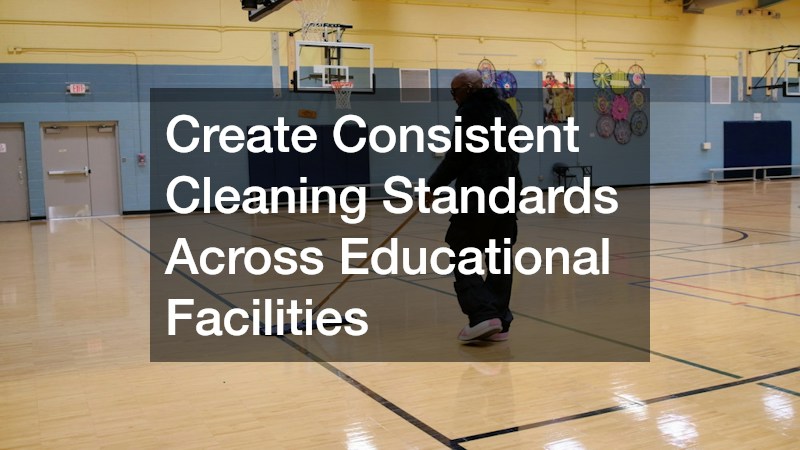
Schools contain a variety of shared spaces that experience different levels of daily activity. Classrooms, cafeterias, restrooms, gymnasiums, libraries, and administrative offices all have distinct cleaning requirements. A structured approach helps educational facilities maintain appropriate conditions throughout the school day.
A school cleaning service can support these responsibilities by providing routine cleaning and helping administrators address the needs of different areas. Scheduling should account for student attendance, classroom activities, extracurricular programs, and special events.
Important priorities include:
- Cleaning frequently touched surfaces throughout the facility.
- Maintaining restrooms and replenishing necessary supplies.
- Removing food waste from cafeterias and shared eating areas.
- Keeping hallways and entrances free of accumulated dirt and debris.
- Addressing spills and other immediate cleaning needs promptly.
Communication between administrators and custodial personnel is equally important. Staff should have a straightforward way to report maintenance concerns, request additional attention, and identify recurring problem areas. Managers can also use regular inspections to evaluate whether cleaning procedures are being completed consistently. Clear expectations help maintain cleaner educational environments while supporting the daily routines of students and employees.
Organize Cleaning Equipment and Supplies for Better Daily Operations
Even well-planned cleaning schedules can become inefficient when employees cannot locate the materials they need. Disorganized storage areas, missing products, and inconsistent inventory management can waste time and make routine responsibilities harder to complete.
Facility managers should organize custodial supplies according to their intended uses and the areas where employees need them. Separate storage arrangements for restroom products, floor care materials, disinfectants, and general cleaning equipment can make daily tasks easier to coordinate.
Consider these inventory practices:
- Maintain an updated list of commonly used products.
- Establish minimum stock levels for frequently needed materials.
- Check expiration dates and product condition regularly.
- Store chemicals according to label instructions.
- Keep safety information accessible to employees.
- Track supply usage to identify unnecessary waste.
Employees should also understand proper dilution, application, and handling procedures. Using excessive product does not necessarily improve cleaning results and may create avoidable costs or safety concerns. Standardized storage and inventory procedures help managers control spending, prevent shortages, and make cleaning responsibilities more consistent across departments.
Apply Specialized Cleaning Practices to Industrial and Commercial Equipment
Some commercial facilities operate equipment that requires cleaning beyond ordinary janitorial procedures. Manufacturing machinery, processing equipment, mechanical systems, and specialized workspaces may accumulate residues that interfere with performance or create workplace hazards.
Def cleaning should be evaluated according to the specific equipment and environment involved. Managers should clarify the scope of the cleaning task, the materials being addressed, and any operational requirements before establishing procedures. Different surfaces and equipment components may require different methods, so a general cleaning approach may not be appropriate.
When developing specialized cleaning procedures, businesses should:
- Review equipment manufacturers’ maintenance instructions.
- Identify materials or residues that require particular handling.
- Determine whether equipment must be shut down before cleaning.
- Provide appropriate training and protective equipment.
- Coordinate cleaning with scheduled maintenance activities.
Documentation is also useful for tracking completed work and identifying recurring maintenance needs. Employees should know which tasks they are authorized to perform and when specialized assistance is necessary. By integrating equipment cleaning into broader maintenance plans, businesses can reduce unnecessary disruptions and support more dependable facility operations.
Build a Facility-Wide Cleaning Schedule That Prevents Recurring Problems
A centralized cleaning schedule helps businesses coordinate routine responsibilities and specialized maintenance. Without clear assignments, certain areas may receive unnecessary attention while others are overlooked. A written plan gives employees and managers a shared understanding of what needs to be completed and when.
Start by dividing the facility into specific areas and identifying the cleaning requirements for each. High-traffic spaces may need daily attention, while certain equipment and infrastructure components require less frequent specialized maintenance.
A useful schedule should include:
- Daily tasks: Emptying waste containers, cleaning shared surfaces, and maintaining restrooms.
- Weekly tasks: Addressing accumulated dirt in less frequently used spaces and checking supply inventories.
- Monthly tasks: Reviewing cleaning records and inspecting areas that may need additional attention.
- Scheduled services: Coordinating specialized cleaning and preventive maintenance with qualified providers.
Managers should also assign responsibilities and establish simple completion checklists. Regular inspections can reveal missed tasks, recurring problems, or areas where existing procedures need adjustment.
Effective commercial cleaning requires a coordinated approach that addresses both everyday sanitation and specialized maintenance needs. Businesses must consider their equipment, plumbing systems, wastewater infrastructure, vehicles, and shared spaces when developing cleaning procedures. Treating these responsibilities as separate but connected parts of facility management makes it easier to establish consistent standards.
Facility managers should regularly review existing schedules, evaluate service providers, organize supplies, and communicate expectations to employees. Preventive maintenance is particularly important because addressing developing problems early can help avoid unnecessary disruptions and more extensive corrective work.
Every commercial property has different requirements, so cleaning plans should reflect actual operations rather than follow a generic checklist. By prioritizing appropriate procedures, employee training, and consistent inspections, businesses can maintain safer, cleaner, and more functional environments. A well-organized strategy supports daily productivity while helping protect the property, its occupants, and the equipment businesses depend on.